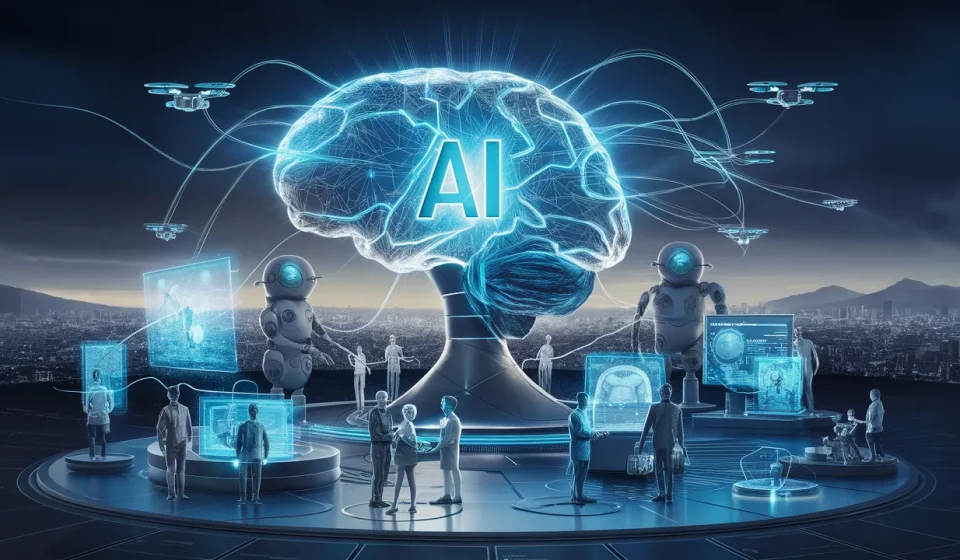

Artificial intelligence (AI) has quietly become one of the most influential forces in modern life, powering tools and services that people use every day without even realizing it. While most discussions about AI focus on obvious applications like chatbots or self-driving cars, there are many surprising facts about how deeply AI is embedded in everyday systems, industries, and decision-making processes. These hidden layers of AI are reshaping entertainment, healthcare, business, travel, and even personal habits in ways that often go unnoticed.
One surprising fact is that AI is heavily involved in understanding market behavior and predicting consumer trends long before humans notice them. Businesses rely on predictive analytics systems to forecast demand, optimize pricing, and identify emerging trends. Research-focused platforms such as appliedmktresearch.com highlight how advanced data modeling and AI-driven insights are now essential tools for modern marketing strategies and decision-making processes.
Another lesser-known fact is that AI is quietly transforming live performances and stage productions. Behind the scenes, AI tools assist in lighting design, sound optimization, audience engagement tracking, and even script analysis. Creative industries are increasingly blending technology with artistry to enhance audience experiences. Performance and creative platforms like cactusfloweronstage.com show how innovation is changing the way live entertainment is produced and experienced.
AI also plays a surprising role in the music and media industries. Streaming platforms use deep learning systems to analyze listening habits and predict what users want to hear next, often with remarkable accuracy. These systems influence which songs become popular and how artists reach audiences. Entertainment culture platforms such as moviesmusicmayhem.com reflect how AI-driven recommendation engines shape modern music and media consumption.
In unexpected areas like event planning and personal celebrations, AI is becoming increasingly useful. Intelligent systems help users plan weddings, coordinate schedules, suggest venues, and personalize event experiences based on preferences and budgets. Lifestyle and event-focused platforms such as nauticalvows.com demonstrate how AI is simplifying complex planning tasks that once required extensive manual effort.
One of the more surprising applications of AI is in digital behavior analysis and online interaction tracking. AI systems are used to understand user engagement patterns, detect unusual activity, and improve user experience across platforms. These tools help websites become more intuitive while also enhancing security. Digital innovation platforms such as distractobot.com highlight how behavioral AI is shaping the way users interact with online systems.
AI is also deeply embedded in communication systems that people use daily. Email filters, spam detection, predictive text, and voice recognition all rely on machine learning models that continuously improve with use. These systems make communication faster and more efficient while reducing digital noise. Technology and communication platforms like gnnight.com demonstrate how intelligent systems are improving digital interaction in subtle but powerful ways.
Another surprising fact is that AI is being used to influence decision-making in governance and policy analysis. Governments and organizations rely on AI to analyze public sentiment, predict outcomes, and optimize resource allocation. These systems help leaders make more informed decisions based on data rather than assumptions. Public policy and governance-focused platforms such as kindlystate.com reflect how artificial intelligence is becoming an important tool in shaping modern administrative systems.
AI is also making its way into health and wellness industries in unexpected ways. Beyond hospitals and clinical diagnostics, AI is now used in lifestyle monitoring, fitness recommendations, and even personalized wellness products. These systems analyze behavior patterns and suggest improvements to daily routines. Wellness-related platforms such as pensidaantirednesscream.com show how AI is becoming part of personalized health and lifestyle solutions.
Another lesser-known fact is that AI plays a role in preserving memory, storytelling, and emotional awareness through digital archives and content organization. AI tools can categorize large amounts of personal and historical data, making it easier to preserve important narratives and stories. Awareness and advocacy-focused platforms such as savesilentsam.com demonstrate how technology can support meaningful storytelling and help preserve sensitive information for future understanding.
AI is also quietly transforming manufacturing and design industries. From furniture creation to industrial modeling, machine learning systems help optimize materials, improve design accuracy, and reduce production waste. These systems allow businesses to create more efficient and sustainable products. Design and craftsmanship-focused platforms such as woodcontour.net highlight how AI is influencing precision-based industries in surprising and creative ways.
Finally, one of the most surprising facts about AI is that it is not always visible—it often works silently in the background of everyday life. Whether it is recommending content, filtering information, or optimizing systems, AI continuously learns and adapts without users noticing its presence. This hidden layer of intelligence is what makes modern digital experiences feel seamless, fast, and personalized.
In conclusion, AI is far more deeply embedded in modern life than most people realize. From marketing research and entertainment to communication, governance, wellness, and design, its influence is both wide-ranging and often invisible. The most surprising fact about AI is not just what it can do, but how quietly and effectively it integrates into daily life, shaping decisions and experiences without drawing attention to itself. As technology continues to evolve, AI will become even more seamless, intelligent, and essential in ways that continue to surprise us.